Special discounts on dental care now! Scroll down!
Dental Scaling: Is It Really Necessary?
Many people brush their teeth twice a day, use expensive toothpaste, and even rinse regularly with antiseptic mouthwash, yet their dentist still recommends scaling. So, how important is this procedure, really?
Bali Dentica
4/7/20262 min read

What Is Dental Scaling?
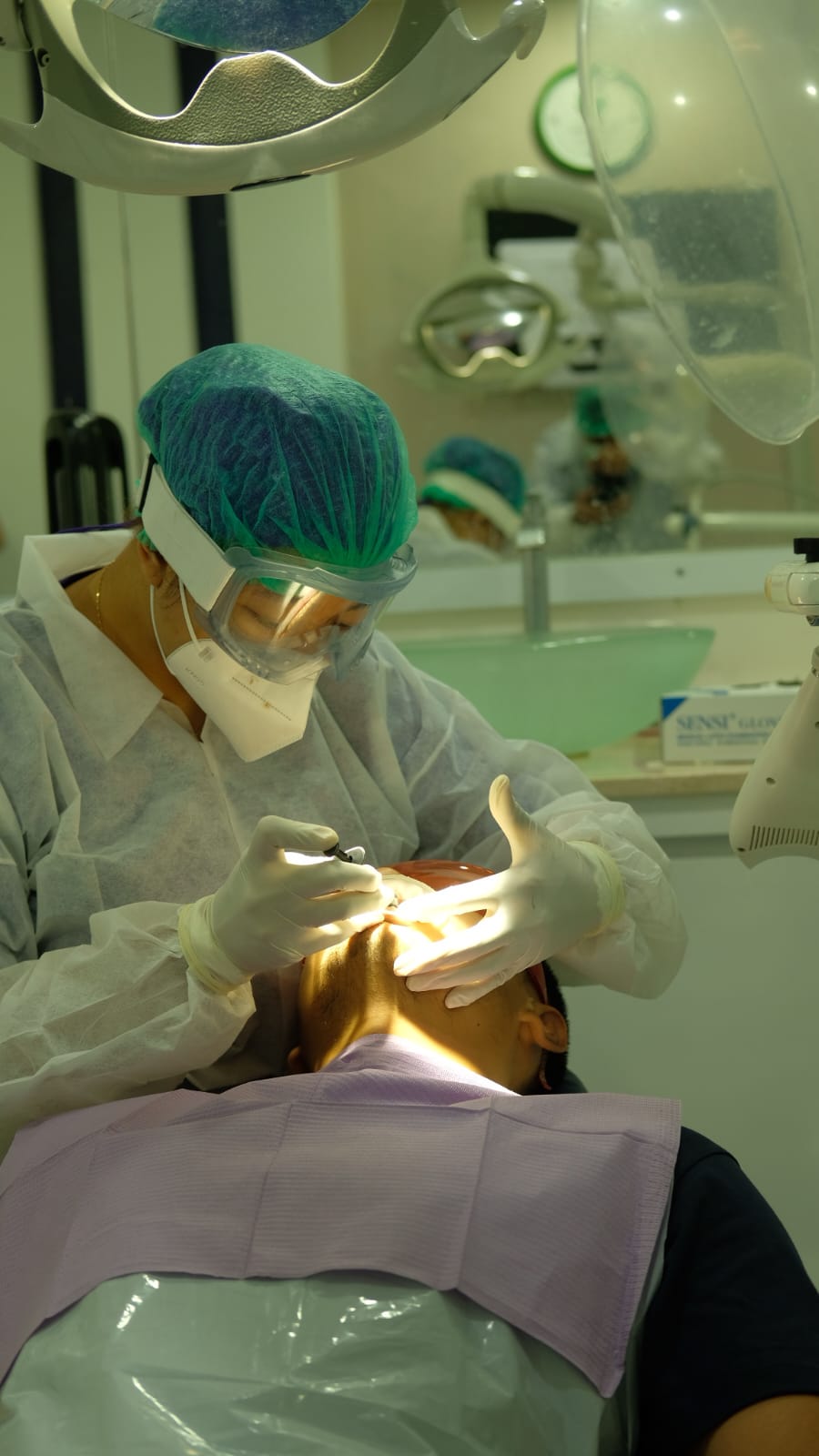
Dental scaling is a professional cleaning procedure performed by a dentist or dental hygienist to remove tartar (calculus) that has built up on the surface of the teeth and below the gumline. Unlike regular brushing, scaling uses specialized tools — both manual and ultrasonic — that can reach areas impossible to clean at home.
Why Does Tartar Form?
Every day, our mouths are full of bacteria that mix with food particles and saliva to form a sticky layer called plaque. If plaque is not cleaned properly, it hardens into tartar within 24–72 hours. Once hardened, tartar cannot be removed by a toothbrush alone — no matter how advanced the bristles are.
What Happens If It's Left Untreated?
Tartar is not just a cosmetic concern. If left to accumulate, the consequences can be serious:
Gingivitis — gums become red, swollen, and bleed easily during brushing
Periodontitis — an infection that spreads to the bone supporting the teeth, potentially causing loose or lost teeth
Bad breath (halitosis) — bacteria living in tartar produce sulfur compounds that cause unpleasant odors
Systemic health risks — research shows that bacteria from gum infections can enter the bloodstream and increase the risk of heart disease, diabetes, and pregnancy complications
How Often Should You Get Scaling Done?
For most people, scaling is recommended every 6 months — alongside a routine dental checkup. However, for those with a history of gum disease, active smokers, or diabetics, your dentist may suggest more frequent visits, such as every 3–4 months.
Does Scaling Hurt?
This is the most common question! Generally, scaling is not painful — you'll only feel some vibration and mild pressure. However, if there is heavy tartar buildup or the gums are inflamed, the process may feel more sensitive. Your dentist will usually apply a local anesthetic gel if needed.
After scaling, your teeth may feel more sensitive for a few days — this is normal and will subside on its own.
Tips to Maintain Oral Hygiene After Scaling
To keep your scaling results lasting longer and prevent tartar from building up again quickly, keep these habits in mind:
Brush your teeth at least twice a day using the correct technique (circular motions, not harsh scrubbing)
Floss daily to clean between teeth
Limit sugary foods and colored drinks such as coffee and tea, which accelerate plaque formation
Drink plenty of water to maintain natural saliva production that rinses the mouth
Visit your dentist regularly at least every 6 months
Conclusion
Dental scaling is not a luxury or an optional add-on — it is an essential part of comprehensive oral health care. Plaque and tartar are real, silent threats that can gradually damage your teeth and gums. So don't wait until your teeth ache or your gums bleed before taking action.
Schedule your scaling today — because a healthy smile is a long-term investment.
Ready to Start Your Journey to a Healthier Smile?
Don't put it off any longer! The professional dental team at Bali Dentica is here to help you achieve clean, healthy, tartar-free teeth in a comfortable and welcoming clinic environment.
🦷 Consult now and get your first dental check-up with Bali Dentica.
👉 Book a Consultation at Bali Dentica
Because your smile deserves the very best.